Key takeaways from the UK Mortgage Finance conference
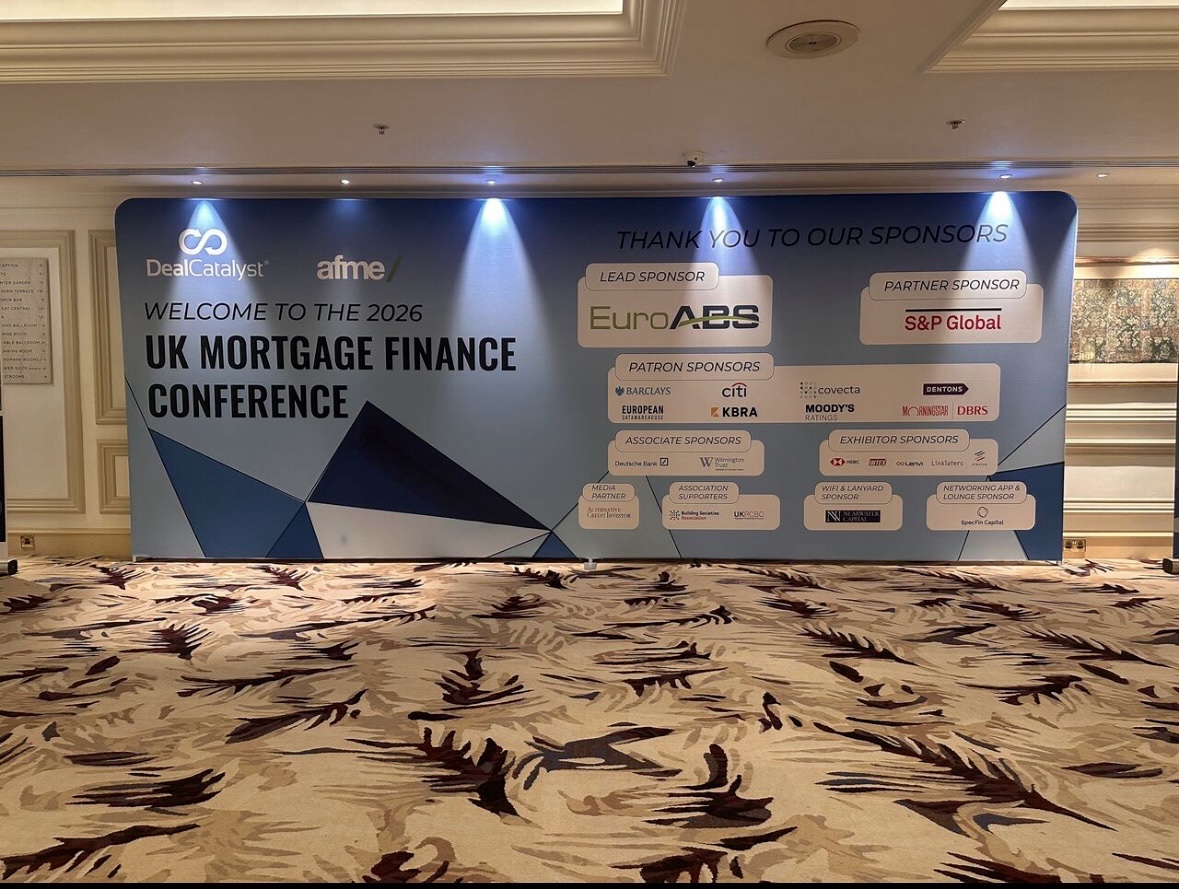
The recent UK Mortgage Finance conference brought together lenders, funders and advisers at a moment when the market is clearly in transition. Mark Filer and Emma White form LawDeb’s Structured Finance business attended. Here are six themes that stood out.
MFS continues to dominate industry discussions
The impact of the MFS situation was the overarching theme across multiple panels. Funding remains available and relationships between lenders and funding partners remain largely intact, but the market is anticipating a new operating environment. Enhanced due diligence, governance requirements, audit expectations and disclosure standards are all coming into sharper focus. The industry appears to be in a transition period, with new processes and controls expected to emerge over the coming months.
Affordability pressures are far from over
Affordability remains the single biggest challenge facing the UK mortgage market. Speakers pointed to continued pressure from higher rates, alongside significant volumes of borrowers refinancing off historically low 2021 rates. This is feeding into a move towards smaller loan sizes and longer mortgage terms, and an increased use of higher LTV products to support home ownership. There is also ongoing demand for product innovation, particularly for older borrowers and later life lending.
Housing supply remains a structural UK problem
A persistent housing shortage was identified as one of the UK's most significant economic challenges, with the shortfall estimated at approximately 6.5 million homes. Pressures are especially acute in London, the South East and major cities. Planning constraints and excessive documentation requirements were repeatedly cited as barriers to development. The consensus was that the market needs comprehensive housing reform rather than incremental policy changes, and that meaningful improvements in housing starts may not materialise until 2028 to 2029.
Funding markets remain open but are becoming more selective
The funding environment remains supportive, but capital providers are becoming increasingly selective regarding both assets and counterparties. Warehouse facilities, RMBS, call asset facilities and forward flow arrangements remain important, and there is a growing focus on diversification of funding sources, particularly for non-bank lenders. Portfolio disposals and call asset structures are attracting more interest as potentially simpler and more cost effective alternatives to forward flows, reflecting a recognition that public markets still favour highly vanilla collateral pools.
AI is moving from discussion to practical application
AI featured extensively, although most lenders remain in pilot or early implementation phases. The greatest opportunities were identified in mortgage underwriting, fraud prevention and risk management, document processing, categorisation and administration, and improving efficiency between mortgage offer and completion. A recurring message throughout the conference was that AI will augment rather than replace human decision making, described by one speaker as "autopilot with a pilot still required in the cockpit."
Regulation and operational requirements are increasing
The conference highlighted a clear direction of travel towards greater scrutiny and operational standards. New audit and governance requirements are expected to become permanent features of the market, which could create a disproportionate burden on smaller and mid sized lenders that have fewer resources to absorb additional compliance costs.
Looking ahead
The overall tone was one of cautious confidence. The mortgage market is adapting to a more demanding regulatory and operational environment, while continuing to grapple with longstanding affordability and supply challenges. Lenders that invest early in governance, funding diversification and practical AI applications look best placed to navigate the period ahead.
To find out more about the ways in which LawDeb supports structured finance transactions and governance contact emma.clarke@lawdeb.com